

How Good Should Franchise Support Be for You?
22 Sep 2026
A franchise can look impressive on paper: a recognised name, a territory, equipment and a route into self-employment. But the real question is this: how good should franchise support be? Good enough to help you make decisions, win customers and keep moving when the first difficult week arrives - not simply good enough to appear in a brochure.
For anyone leaving employment, recovering from redundancy or finally acting on a long-held ambition to work for themselves, support is not a nice extra. It is the difference between buying a business opportunity and being left to figure it out alone. You should expect a franchisor to give you a practical system, teach you how to use it and remain available after your launch day whenever needed.
How good should franchise support be in practice?
The right level of support should make you more capable, not more dependent. A franchisee is still a business owner. You will need to manage your time, look after customers, follow the system and put in the effort. Yet you should not be expected to learn every costly lesson from scratch.
Strong support has three stages: getting you ready before launch, helping you build momentum during the first months, and giving you dependable guidance as your business grows. If the franchisor only focuses on selling the franchise and disappears once the money has changed hands, that is not a partnership. It is a warning sign.
For a mobile dog grooming franchise, practical help matters even more. You are not opening a generic office-based operation. You are working hands-on with dogs, travelling between appointments, managing a fully equipped grooming vehicle and representing a brand at every customer’s doorstep. Training and support must reflect that reality.
It starts with training you can use immediately
No previous dog grooming experience should not automatically stop a motivated person from entering the sector. It does mean the training must be serious, focused and designed around real work rather than vague theory.
Ask exactly what happens in training. Will you work one-to-one with experienced groomers? Will you handle a range of breeds, coat types and temperaments? Will you learn safe bathing, drying, clipping, customer consultation, welfare awareness and the pace needed to complete appointments profitably? Can you ask questions without feeling rushed?
A good training programme also covers the commercial side. Grooming skill alone does not create a successful business. You need to know how to price your service, book appointments sensibly, manage repeat customers, handle cancellations and protect your working day from becoming chaotic.
Fast-track training can be highly effective when it is intensive, personal and followed by continued access to help. It is less convincing when “fast-track” is used as an excuse to provide too little hands-on experience. The aim is not to turn you into an expert overnight. It is to ensure you can launch with sound skills, clear processes and someone experienced to call when a situation is unfamiliar.
The equipment and set-up should remove barriers
One major attraction of a franchise is avoiding the trial-and-error stage of starting alone. A good franchisor should have already worked out what equipment is needed, what layout helps you work efficiently and what standards protect the customer experience.
In a mobile grooming business, a professionally converted van is not just transport. It is your workplace, your shopfront and a major part of your daily earning potential. You should understand what is included, how the vehicle is prepared, what grooming equipment is supplied and what ongoing maintenance responsibilities sit with you.
Be direct with your questions. Who deals with a breakdown? What happens if essential equipment fails? Is there guidance on keeping the van clean, presentable and compliant? Are there systems for stock, consumables and replacements? The answers reveal whether the support is designed for real-life operations or merely for the sales process.
The best set-up support saves time before you have earned your first pound. Rather than spending months researching suppliers, designing a service or guessing what customers expect, you begin with a proven format and can focus on building a reputation in your area.
Marketing support must lead to action
Many new business owners say they want help with marketing. What they often mean is that they want customers. Those are not quite the same thing.
A franchisor cannot honestly promise that you will never need to make an effort locally. Your personality, service quality, availability and follow-up all matter. However, proper marketing support should give you a clear starting point and show you how to create demand in your territory.
That might include brand recognition, launch materials, social media guidance, advice on local promotion, booking processes and training on turning an enquiry into a regular customer. It should help you understand which activities are worth your time instead of asking you to throw money at advertising with no plan.
Territorial exclusivity also deserves close attention. If you are investing in your own local customer base, you need clarity around the area you are able to work in and how leads are handled. Vague promises about territory can create frustration later. Clear boundaries create confidence and allow you to market your business with purpose.
At Dial a Dog Wash Ireland, the value of a recognised brand is paired with practical marketing instruction, so franchisees know how to turn local visibility into booked grooming appointments. That is the kind of support that matters: guidance connected to revenue, not a folder of logos left unopened on a laptop.
Ongoing support should be responsive, not scripted
The first few months of self-employment are exciting, but they can test your confidence. A difficult dog, a diary gap, a customer complaint or uncertainty over pricing can feel much larger when you are used to having an employer make the final call.
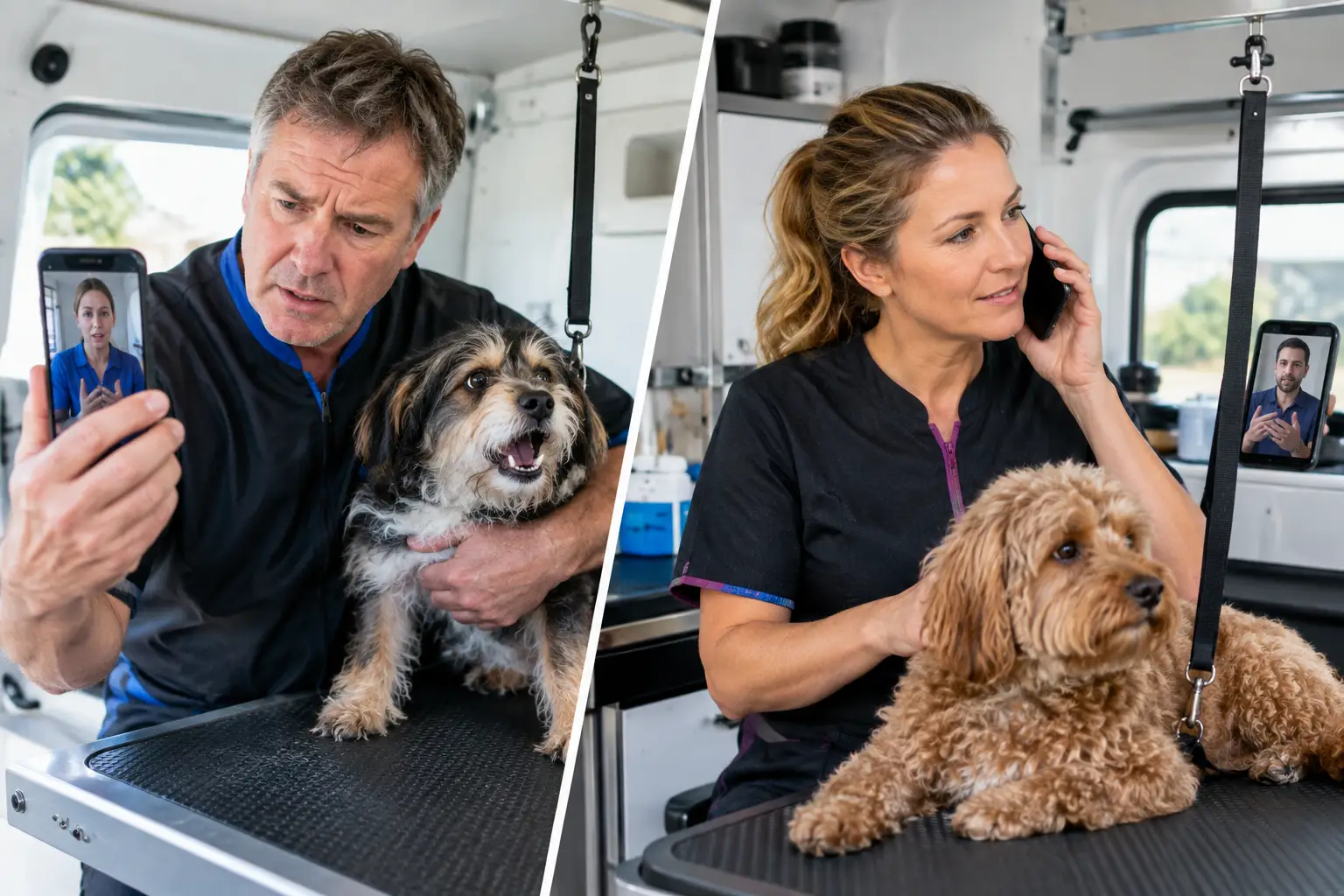
This is where ongoing support earns its place. You should be able to speak to people who understand the business you are running, know the operational challenges and can offer practical answers. That does not mean somebody should run your business for you. It means you have experienced people behind you when you need perspective.
Ask prospective franchisors how support works after launch. Is it by phone, in person or through regular reviews? Who will you speak to? How quickly can you expect a response when an issue affects your ability to trade? Are franchisees encouraged to share ideas and learn from each other?
Pay attention to how the team answers these questions. Specific examples are more valuable than broad statements such as “we are always here for you”. A confident franchisor can explain its support structure clearly because it uses that structure every day.
Support should evolve as your confidence grows
The support you need in week one is different from the support you need after a year. Early on, you may need reassurance about grooming techniques, route planning and taking bookings. Later, you may want to improve your average spend, fill quieter days, build repeat custom or decide whether to take on additional capacity.
A worthwhile franchise system recognises this progression. It gives new franchisees structure without treating experienced operators like beginners forever. The aim is to help you become a confident owner with a business that works around your ambitions and your life.
This matters particularly for career changers over 50, who may bring years of customer service, management, sales or practical experience into a new venture. You are not starting from zero as a person or as a professional. Good support respects what you already bring while giving you the specialist skills and business formula needed for a fresh start.
Questions worth asking before you commit
Before signing anything, ask to see the support in detail. You need more than enthusiastic promises. Look for clear answers on training length, launch preparation, equipment, marketing, territory, ongoing contact and costs that may arise after you start.
It is also sensible to speak with existing franchisees where possible. Ask what surprised them, what help made the biggest difference and what they wish they had known before launch. No business opportunity is effort-free, and honest answers are useful. You are looking for evidence that challenges are dealt with constructively rather than ignored.
The right franchise support should leave you feeling prepared, backed and motivated - but also clear about your own responsibility. You bring the drive, care and commitment. A strong franchisor brings the training, tools, brand and guidance to help turn that effort into a business you can be proud to own, from the beginning and onwards, to wherever you want to take it and your future ambitions.